incrementally better isn't enough
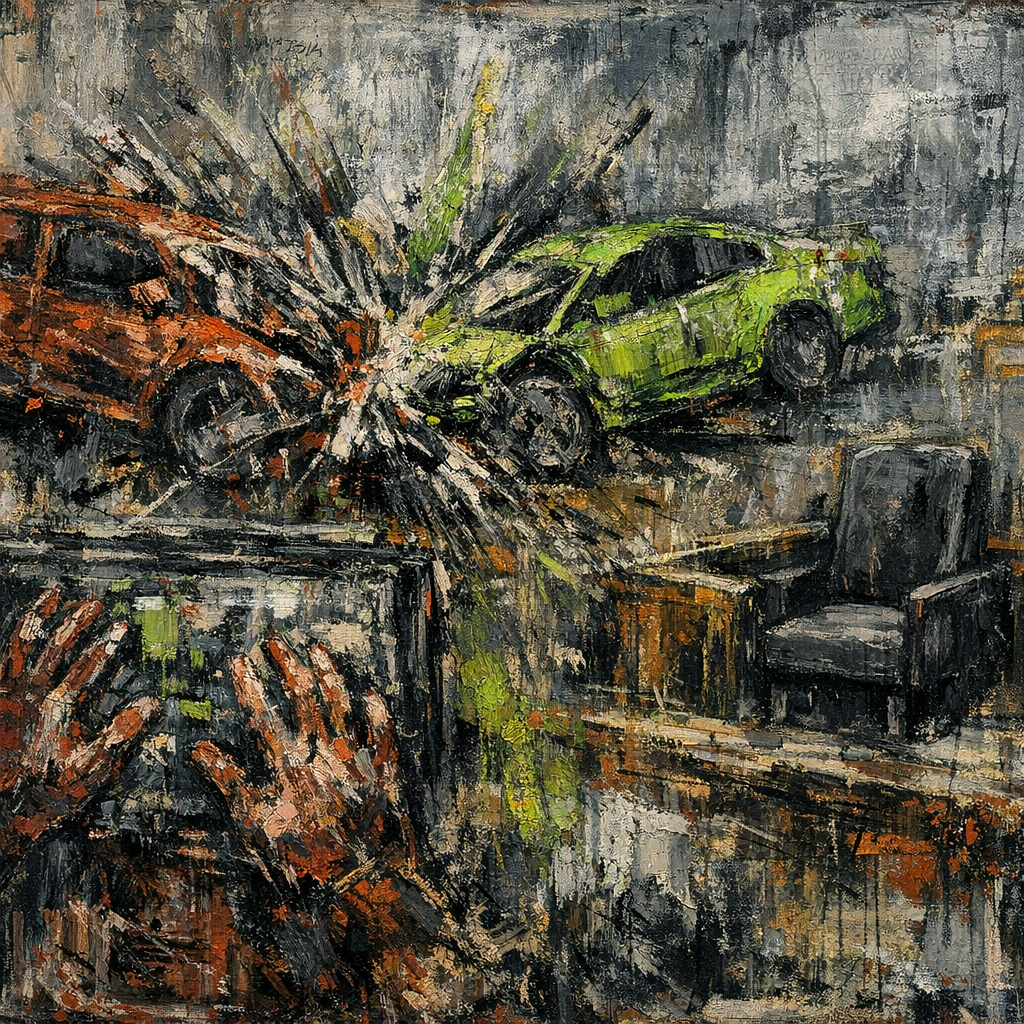
Self-driving cars are statistically safer than human drivers. They could be 10%, 20%, even 50% better — and it still wouldn't be enough to capture the market.
Why? Because every time one crashes, it makes the news. Even if humans are crashing five or ten times as often, it doesn't matter. People are skeptical of the new thing. They're used to the old way. And here's the asymmetry that makes it worse: humans can be held accountable. A person behind the wheel who causes an accident — there's a face, a name, a courtroom. A machine? It's harder to point the finger. The bar for trust is fundamentally different.
This is the dynamic that anyone building something new has to understand. When you're trying to replace an existing system — a product, a tool, a workflow — you're not competing on merit alone. You're competing against habit, familiarity, and a deeply uneven standard.
Incrementally better doesn't cut it. You have to be exponentially better.
the reskin trap
I've been thinking about this with some internal tools I've taken on in a new role. The organization has been using these tools for a while — clunky, annoying, the UI is rough. I've been working on a reskin. The information flow is better. The interface is drastically improved. And it'll probably be well received.
But it may not be enough.
When an application has been used widely, people develop muscle memory around it. They know where to click. They know where to find the thing they need, even if the path to get there is dumb. A fresh coat of paint doesn't override that. A reskin is still recognizably the same tool — and that means people will measure it against the old one instead of experiencing it as something new.
What might actually move the needle is something more: features they've been wishing for, workflows that are so much more convenient that there's no question which is better. Not a refresh — a clear winner. Something that delivers obviously more value, enough that they'll gladly discard the old way.
old habits die hard
We have a kind of muscle memory in our clicking habits and our thinking habits. We look for certain things in the same place on the screen. We follow the same paths through the same tools because they're wired into us.
When you're building a new version of something, a rebuild, a replacement — being a little bit better isn't the game. You have to blow people out of the water. That's what earns their attention. That's what builds trust.